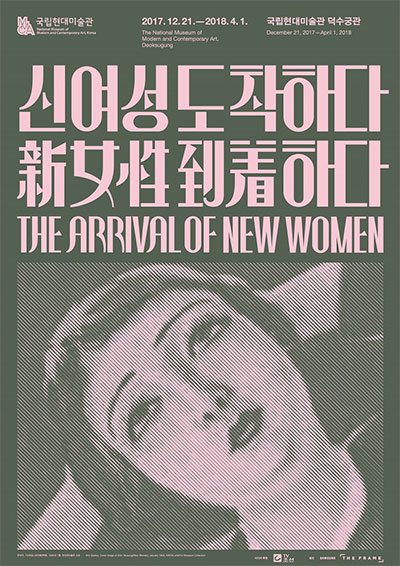
Venue : MMCA Deoksugung
Press release
The Arrival of New Women highlights the modernity of Korean history, culture, and art, narratives that had been dominated by men, from the perspective of women by examining representative images of “new women” in the modern visual culture of Korea from Enlightenment through the Japanese occupation. This exhibition will be a three-dimensional show featuring various visual and auditory media including works of painting, sculpture, embroidery, photography, printed art (cover paintings, illustrations, and posters), films, popular songs, documents, magazines, and ttakjibon novels. It offers a diverse approach and interpretation of the new women as a new agent or phenomenon seeking to practice modern values. In addition to artwork and archival materials from the time, the exhibition presents a diachronic experience by also including new reinterpretations of the new woman by contemporary artists.
The term “new woman” originated in Europe and the United States in the late nineteenth century. By the early twentieth century, it was in use in Japan and other countries. Although definitions of the concept varied from one country to the next, they could be said to share a new, transformed image of the woman for the modern era as someone resisting the constraints of the social, political, and institutional inequalities imposed on women and pursuing freedom and liberation. Women with a modern education and cultivation first appeared in Joseon Dynasty of Korea in the 1890s, while the term “new women” appeared in major media and magazines during the 1910s and came into frequent use between the mid-1920s and late 1930s.
At that time, Joseon’s women found themselves in a dilemma, facing repression and contradiction—imperialism and colonialism, the persisting patriarchal system, a clash of Western culture and Eastern cultures. As colonial subjects and as women, the new women of Joseon were positioned as doubly “other,” unable to function as major driving forces in modernization. For this reason, the new woman in Joseon Korea also became an icon for the schismatic implications of modernity.
The exhibition consists of three sections: “New Women on Parade,” “I Am Painting and Painting Becomes I: Women Artists in Modern Times,” and “The Women Are Man’s Destiny: Five New Women of Korea”.
+https://www.mmca.go.kr/eng/exhibitions/exhibitionsDetail.do?menuId=1010000000&exhId=201703080000529
-

-
 Event Calendar / What’s On - 08 Mar 2019
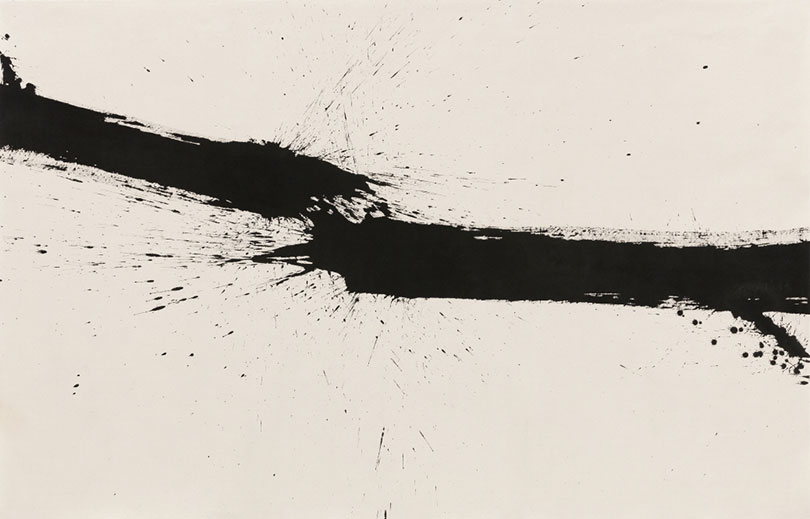
Hakgojae Gallery, 《Kim Ho-deuk》

